
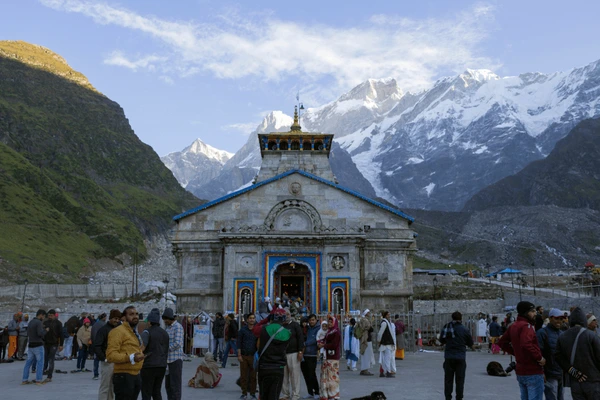
Kedarnath – an extremely holy place in India, a famous pilgrimage site that receives several pilgrims & adventure lovers every season. It’s in a section of the Garhwal Himalayas of Uttarakhand, northern India, that is called the upper reaches and surrounded on all sides by snow-peaked mountains — including the 6,940-meter (22,769-feet) behemoth that is Kedarnath itself: Kita Mandir was one of four sacred shrines we passed through in this area. The holy temple, along with sweeping high-altitude views of the adjacent Chorabari Glacier, elevates this pilgrimage beyond just another trek.
But the path to Kedarnath isn’t so simple. Unlike most pilgrimage spots you can drive to, this place requires you to do a pious 16–18 kilometre uphill trek from Gaurikund through steep climbs, raucous weather and thin mountain air. And if a trip is not well planned, it can be physically demanding and logistically daunting for first-time travellers.
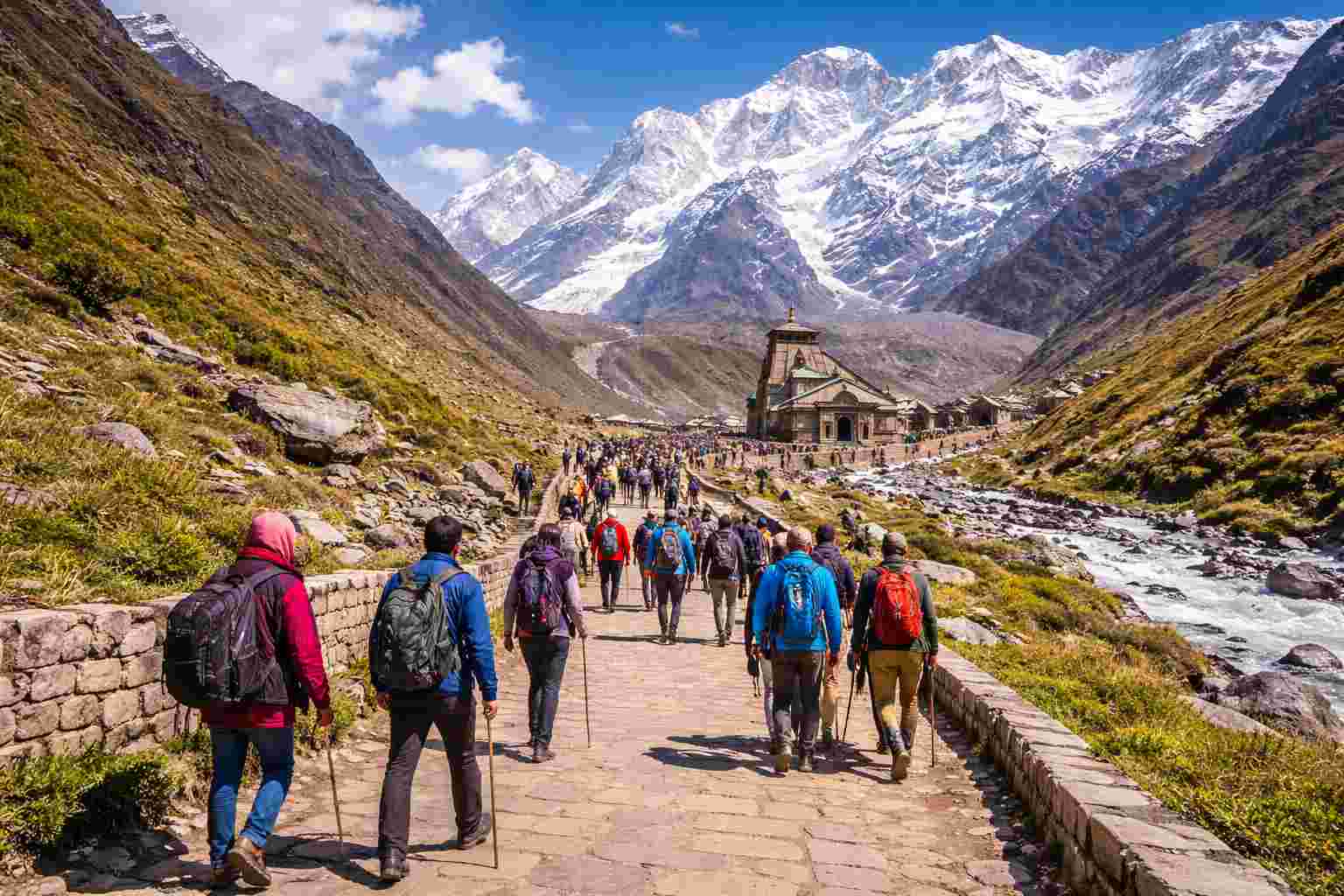
Which is why this complete guide to Kedarnath trek preparation is our full shot at what due diligence you are gonna need to make your legs worse off, and a checklist of all other such travelling paraphernalia before heading out. Nonetheless, if you are making a pilgrimage by yourself related to a formal Char Dham or DoDhamm pilgrimage tour package, the preparation and groundwork you do can transform what could be just an exhausting night walk in the hills into a well-organised and spiritually healing journey in the Indian Himalayas.
Understanding the Journey: Kedarnath Trek Distance and Route Map
We can only make an informed choice in ascending to one of the Panch Kedar (five Kedars) — the Kedarnath Peeth trek, once we know beforehand the things. Buses ply from Rishikesh to Sonprayag, which is the official starting point of the pilgrimage, after which pilgrims embark on local youth shuttle services to Gaurikund. This will be most of your facilities before pilgrimage, where all the vehicles will stop when you make final arrangements: registration, medical check-up, etc. The remainder of the climb is up a purpose-built, though increasingly steep, stone-paved trail. Distances in one stretch are usually between 16 and 18 kilometres, and routes can sometimes change with the seasons.
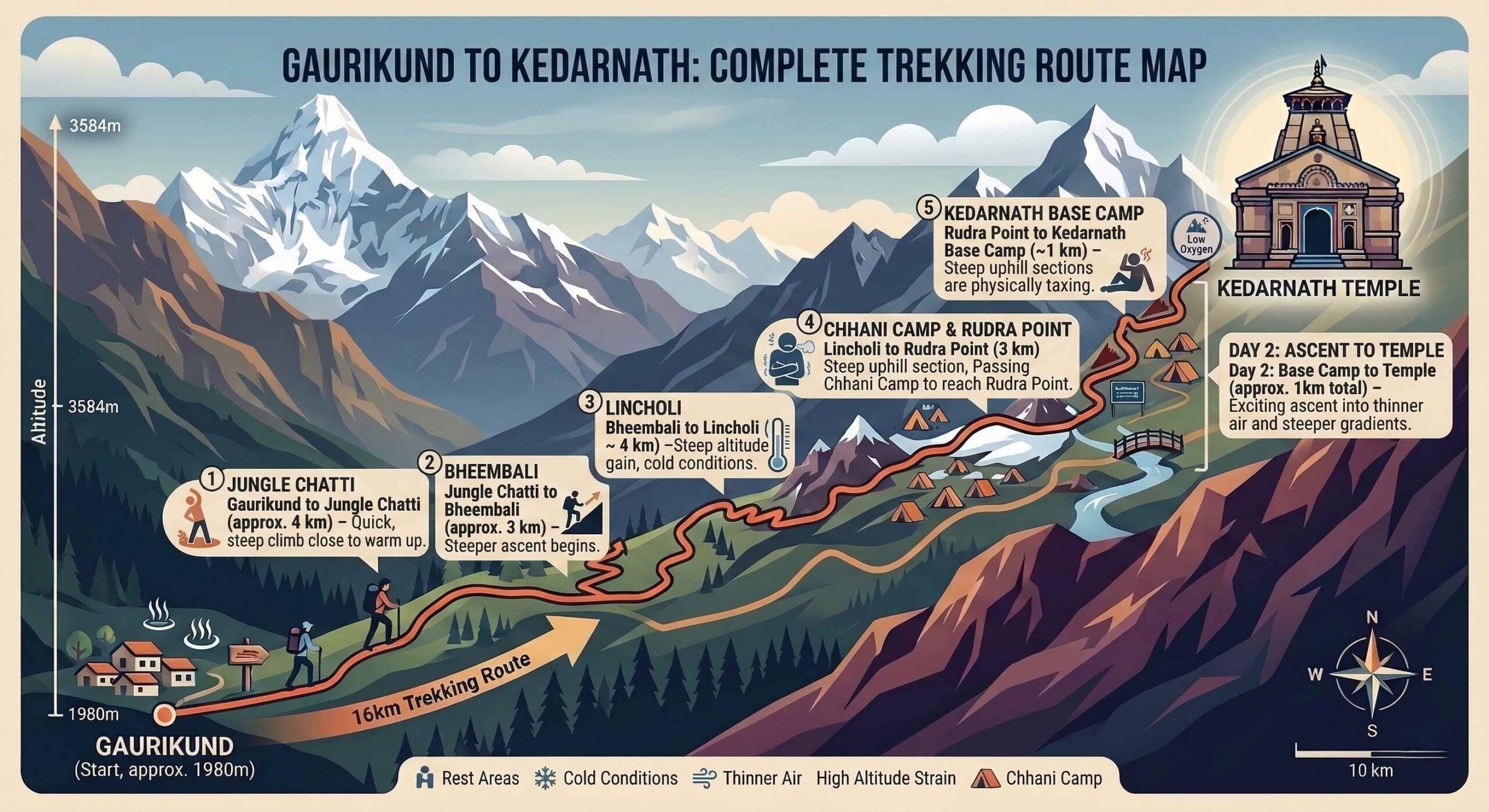
Kedarnath trek distance and route map help trekkers find out how quickly to scale up hills versus slowly slogging their way outside the starting point along long ascents. It’s divided into progressive stages that correspond to distance and altitude gained. The first half is not much of a climb, but the gradient kicks up a notch or two after halfway, and once in spitting distance of Lincholi/the base camp area, the reduced oxygen makes an already challenging leg feel that little bit more demanding.
Major Route Milestones:
Gaurikund to Jungle Chatti (approx. 4 km) – Quick, steep climb close to warm up.
Jungle Chatti to Bheembali (approx. 3 km) – Steeper ascent begins
Bheembali to Lincholi ( ~ 4 km) –Steep altitude gain, cold conditions
Lincholi to Rudra Point (3 km) Steep uphill section, Passing Chhani Camp to reach Rudra Point.
Rudra Point to Kedarnath Base Camp (~1 km) – Steep uphill sections are physically taxing.
Day 2: Base Camp to Temple (approx. 1km total) – Exciting ascent into thinner air and steeper gradients.
Segmenting the journey this way makes handling your stamina overlapping with that portion of the journey easier and reduces fatigue for the final ascent.
Reality Check: How Difficult is Kedarnath Trek for First-Timers?
Hence, the question that arises next is, “How tough is the Kedarnath trek?” The answer, of course, differs depending on whom you ask, but technically it is regarded as a moderately strenuous trek. The altitude is one of the primary reasons for the question “How difficult is the Kedarnath trek?” The sudden altitude change can be challenging for many travellers arriving from coastal or plains cities such as Mumbai or Delhi. There is much less oxygen at sea level than at higher altitudes. This requires your heart to beat harder and your lungs to work more to supply the same energy flow through your muscles.
The weather also complicates things. Along the route, temperatures can also vary greatly, even during the hottest months like May and June. You can set off for your trek from Gaurikund on a scorching and humid day with a temperature of almost 30 degrees Celsius, and then transition to near freezing temperatures as you approach the temple area. The route too is dotted with pilgrims, ponies and palanquins (pithu), making the way sometimes a tad crowded. But these problems should not let you go down. Thousands of novices make the journey each year, including children and geriatric pilgrims. The secret sauce is to walk slowly, maintain a steady pace, drink water and approach the trek with patience. Instead of racing toward it, most pilgrims to their spiritual destination travel at a slow and contemplative pace — a way to make the journey manageable and spiritually sustaining.
Step-by-Step Kedarnath Trek Preparation Guide
The easy pilgrimage to Kedarnath is not on the surface, but it’s all about pre-planning. Basically, if you want to accomplish something on this route, you have to prepare as much as possible in advance before the trip culmination. The ideal Kedarnath trek preparation guide suggests that the trekkers must prepare for the trek six to eight weeks before the decided travel date. The first and most crucial element mentioned in every Kedarnath trek preparation guide is Biometric Registration, which is compulsory for the pilgrims as per the Uttarakhand government order, and must be completed before proceeding on the pilgrimage. This with ease transit of the pilgrims and better safety on the mountains. Advance registration online is wise to avoid last-minute rush bottlenecks at transit points like Rishikesh or Sonprayag.
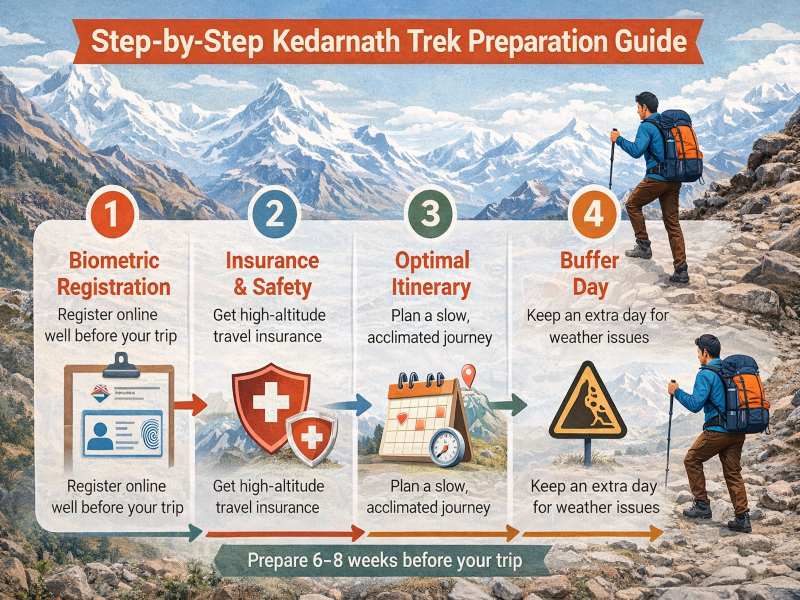
The second crucial half of any Kedarnath trek preparation guide should focus on financial and medical preparations. High-altitude travel insurance — something many travellers forget during domestic trips. But more savvy planning should also involve cover for altitude sickness, emergency evacuation or hospitalisation. Given the remote, rugged nature of Himalayan terrain, this additional layer of protection is a welcome peace of mind. Weather delays, sudden medical emergencies or road closures are real scenarios, so make sure to factor these into your risk assessment.
The next step is to plan an optimal itinerary. Most novices will be advised to take it slowly instead of speeding through the experience. A popular suggestion in a Kedarnath trek guide is to stop for the night at Guptkashi or Phata before making the trip to Gaurikund. The first break between Haridwar to allow the body to gradually acclimatise, before really high elevations above 3500 m. When combined with good hydration, this strategy minimises fatigue and lowers the chances of developing altitude sickness.
Always add an extra buffer day to your itinerary on the trip when you are planning one. Weather can shift abruptly in the Himalayas, and rain or landslides may at times impede routes. There is great significance in having flexible plans on a Kedarnath trek preparation guide, as the emphasis of the journey should be based on the spiritual rather than logistical considerations.
Key Preparation Checklist:
- Make Sure to Do Full Biometric Registration Beforehand.
- Get travel insurance with high-altitude evacuation coverage.
- Add at least one acclimatisation break before trekking.
- Padding out your itinerary for bad weather.
- Popular things to do in peak season can get booked up quickly, so don’t leave it until the last minute.
Preparation not only enables the pilgrimage to be long distance and safe for pilgrims, but also makes it more enjoyable.
Get Trail-Ready: Essential Kedarnath Trek Fitness Tips
Physical fitness is the only insurance policy for this trek. These Kedarnath trek fitness tips are aimed at the desi audience who wouldn’t have trekked before. Your exercise begins 30 to 45 days prior to departure at the least. It targets cardiovascular endurance and lower-body strength. Take a 5-kilometre walk every morning — and then after two weeks progressively bring this up to an 8-Kilometer stroll, with a slight pack of three to five kilograms in a rucksack. This mimics the weight you will lug on the real trail.
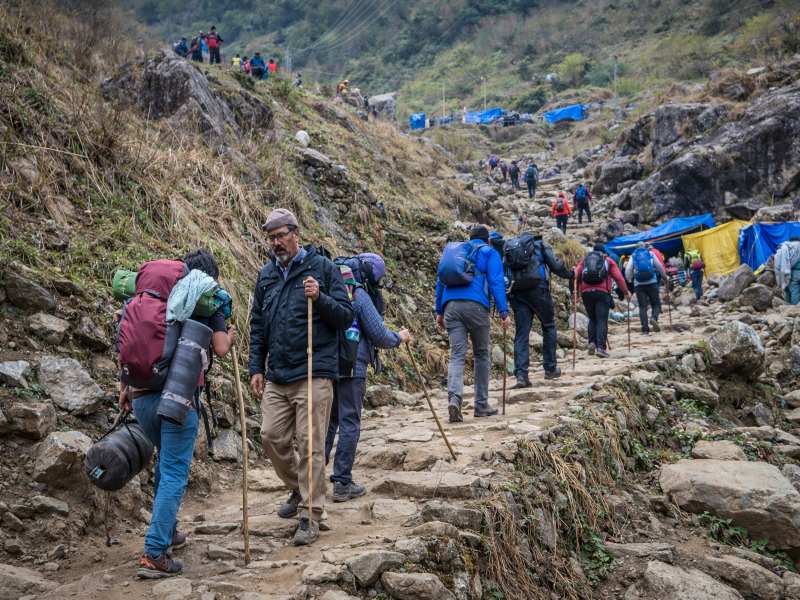
The best one for Kedarnath is perhaps stair climbing (if anything even comes close). The path has thousands of stone steps; strength-training your quads, calves and glutes ahead of time — to ready them for repetitive vertical movement — will ease muscle fatigue later “jelly legs” on the descent. In addition to this, you need to practice deep-breathing exercises like Anulom Vilom or Kapalbhati. These yogic modalities expand lung capacity and help you control oxygen saturation when you’re a smidgen junior on the air. Just keep in mind that fitness takes place long before you start moving, not after. So the more fit you are, the quicker your body is going to recover from all that day’s work and what you’ll be able to do with the temple itself, so instead of pain-wreck mode during night mode spiritual,” he explains.
What to Wear: The Layering Secret for High Altitudes
Himalayan clothing strategy here is less about piling on the biggest jacket you can burrow into and more about regulating your body’s temperature. The Kedarnath trek is an x-factor kind of game — bright sunshine in the daytime, but by noon, you would have gusts of chill winds and freezing temperatures two hours post-sunset. Get the right combo, and you’ll spend your day sweating out excesses, chills luridly creeping up your spine in their wake; dehydrated or lethargic. Trek difficulty is another common question asked by Kedarnath pilgrims. The Goldilocks answer is usually preparation, and so much of what you wear on your body translates to how you’re able to handle physical stress at altitude.
On the hike, you might dress for storm forgiveness (greetings, head protection) and carry a shoe to match. Add in the rain, moisture and muck of the stone-paved path, mule traffic up and down its length. One of the biggest mistakes rookies make is wearing the wrong shoes. Consciously dressing according to what the weather expects gives us more endurance, less fatigued feelings and lowers our probability of climate-related bumper stickers.
How to Dress: The Three-Layer System

Base Layer (Moisture Management)
- DON: synthetic or moisture-wicking fabric (polyester or merino blend).
- Avoid cotton; it’s an absorbent dampener and won’t keep you warm.
- Prevents several disease conditions Protects the skin from dryness.
Middle Layer (Insulation Layer)
- Insulated midlayer or lightweight wool sweater, or fleece jacket.
- Breathable yet still traps body heat.
- Popped off during long climbs to fit in the roof vent.
Outer Layer (Protection Layer)
- Waterproof and windproof shell jacket.
- Shelter from cold winds, rain, and unexpected weather changes.
- Lightweight yet durable material preferred.
Footwear & Essential Accessories
Trekking Shoes
- Crispy, deep lugs/treads for wet stones and uneven terrain.
- Prevention of ankle sprains or twists.
- Footwear: 10–14 days before travel.
Socks
- Wool-blend or moisture-wicking trekking socks.
- Microfiber socks can limit blister and pressure formation’
Head & Sun Protection
- Sunridge Cap-Sunshade for high-level Ultraviolet exposure.
- Knitted hat or balaclava for dawn and chilly nights.
- UV-protected sunglasses, which block glare and eye strain.
All of these directly impact your stamina—your priority when trekking—comfort, and ultimately how well you trek with the right combination of gear selected, and attacks staged.
The Ultimate Kedarnath Trek Packing List for Beginners
Don’t be over-prepared for this excursion to Kedarnath; prepare only the necessities and pack them with care and discipline. You want gear that allows you to move comfortably, not dead weight that isn’t helping anything. This is not a trekking route through the steep Himalayas where big packs are inefficient; balance and endurance are far more important. That’s why a Kedarnath trek packing list for beginners, one based on lightweight and functional gear, is what most experts recommend. Avoid carrying oversized backpacks, which will only hurt your spine. Tour with a 20–30 litre ergonomic backpack with padded shoulder straps and a waist belt to help evenly distribute the load. Many first-time trekkers include high-altitude essentials on their packing checklist, along with weather-appropriate clothes and reliable charging options when compiling a Kedarnath trek packing list for beginners. Cold weather sucks a lot of battery life fast, so we all know that a high-capacity power bank is always the best option. I recommend a refillable water bottle alongside chlorine purification tablets or a portable water filter so you can remain hydrated without relying on plastic bottles during your trek.
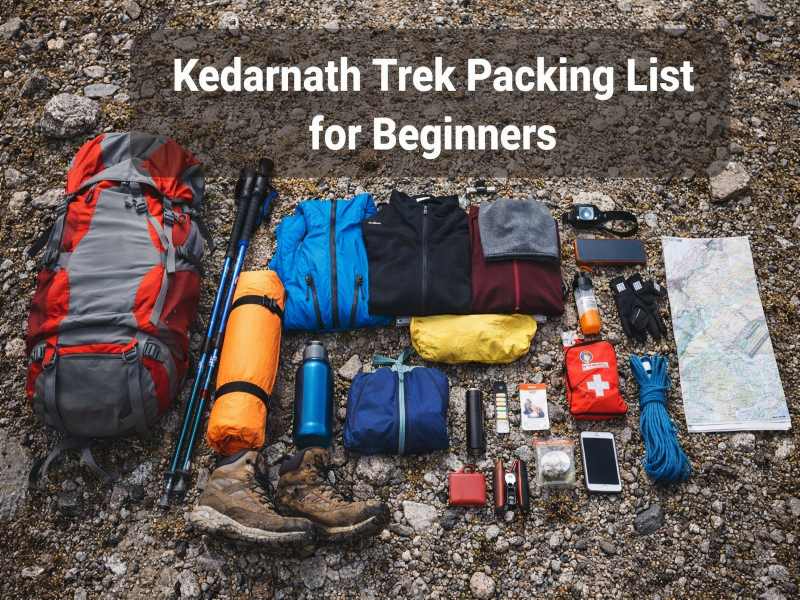
Another important component of any Kedarnath trek packing list for beginners is medical readiness. A basic first-aid kit includes adhesive bandages, antiseptic liquid/paste/cream, spray for pain relief in muscle or strain of the ankle, a crepe bandage to give you support and oral medicines for any fever, acidity, headache or motion sickness. Although there are health camps in places along the path, small injuries need to be treated on time to avoid discomfort and save time. Trekking poles, or even a solid stick to help propel you forward, are also strongly recommended if hiking is not normally in your routine. These assistive devices help take weight and pressure off knee joints, especially during descents, which tend to be more taxing on the body than going uphill.
Another item that people forget to pack is energy management. (Given limited network connectivity in many sections of the trail, you should concentrate on keeping your stamina rather than being digitally distracted.) High-energy snacks come in particularly handy during the steepest last stretch of the trek. Things like chocolate bars, glucose biscuits, dates and mixed nuts are high in calories but help maintain energy levels. Do not pack your backpack with stuff that gives no real benefit except weight. Kedarnath trek packing list for beginners is something just about a comfortable and lightweight trekking approach to keep your whole body strength intact until the end of the journey without additional burden.
Managing Altitude Sickness (AMS) on the Way to Kedarnath
While walking to Kedarnath from Gaurikund, the biggest health risk for you will be Acute Mountain Sickness or AMS. It has nothing to do with your fitness levels and everything to do with acclimatisation and the lack of air in higher altitudes; therefore, chances of suffering from AMS are high due to a sudden increase in altitude between Gaurikund and above 3,500 m. The first symptoms are mild: a persistent headache, unusual tiredness, loss of appetite, nausea or sleep disturbance. A lot of trekkers trivialise the symptoms as common fatigue and press on their way — a pursuit that can exacerbate the condition. Untreated, they can cause significant dizziness and shortness of breath at rest, confusion and coordination problems that require treatment,” he said.
And remaining well hydrated is key to reducing risk. Keeping the right levels of hydration enhances blood circulation, which carries oxygen to the body and alleviates sports stress in the body due to altitude. Trekkers must also have 4–5 litres per day of fluid (water + ORS, etc). If you could do that a little, by little, all day long, it would take a lot at once.
If you develop symptoms of AMS, turn around and rest. Do not try to charge ahead. Find a space to sit for 30 minutes with some water and see what happens. Can be moved down below Bheembali or Jungle Chatti for persistent symptoms or deterioration. The Vacation Holidays recommends customers check with their physician whether they should take Acetazolamide or other preventative medicine. But the medication is meant as an adjunct — not a replacement — to proper acclimatisation, hydration and slow ascent.
Transport Options: Trekking vs. Pony vs. Helicopter
Purdah, like the trek to Kedarnath, is still without doubt the most traditional and sacred way of getting to the shrine. This is already a much bigger physical challenge for many pilgrims, so in case you are unable to walk long distances, then another option needs to be considered. Two of the more enterprising substitutes, ponies and mules, are also subject to regulation by the government for pricing transparency. It does reduce walking effort significantly, but the longer ride (five to six hours in most cases) can be physically uncomfortable for those with back or posture issues. Providing structural assistance for seniors or individuals with ailments or restricted movement, depending on the organised learning route, with pithus (individuals who help transport explorers inside a supported basket) and palanquins (dandis, an arrangement of active bearers).
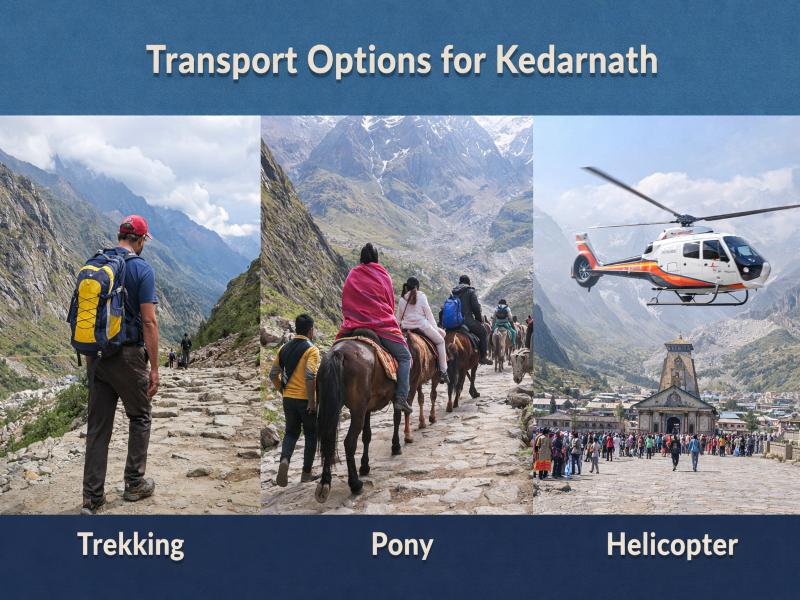
Others looking to save time or expend less effort are also flown through the sky from Phata, Sirsi and Guptkashi by helicopters. The ride typically lasts less than 10 minutes and provides a bird’s-eye view of the Himalayan valley while also avoiding travel time. Supply is limited (we’re still in “peak season”) and demand is sky-high. When making a reservation, you must only use the official government-authorised portal. Such logistical troubles are juxtaposed, attended through such travel packages like The Vacation Holidays’ Do Dham and Char Dham travel packages, where the wayfarers can think more on singularized arrangements plans and multi-faceted safety coverages instead of jumbled booking procedures.
Available Travel Alternatives
Ponies and Mules – Regulated fares; moderate physical relief, long sitting.
Pithus (Porters) – Great for children, elderly or mobility-limited buyers.
Palanquins (Dandis)– A useful option for the elderly citizens who need complete assistance.
Helicopter Services – The quickest option; fewer seats available; should book in advance.
Package-Based Coordination – Eases bookings, permits and schedule alignment.
Where to Stay: Finding Accommodation in Kedarnath and Gaurikund
The stay in Kedarnath is mainly provided by Garhwal Mandal Vikas Nigam (GMVN) and a few private ashrams and tent colonies. Nobody is going on vacation here; the facilities are austere enough to be able to sustain a life and get a good night’s sleep, but not glitzy. The rooms all share bathrooms, and light is limited. As we’ve seen here with turn after turn in April, May and June, demand exceeds supply by volume, so to be a “walk-in” and check into a room is just impossible.
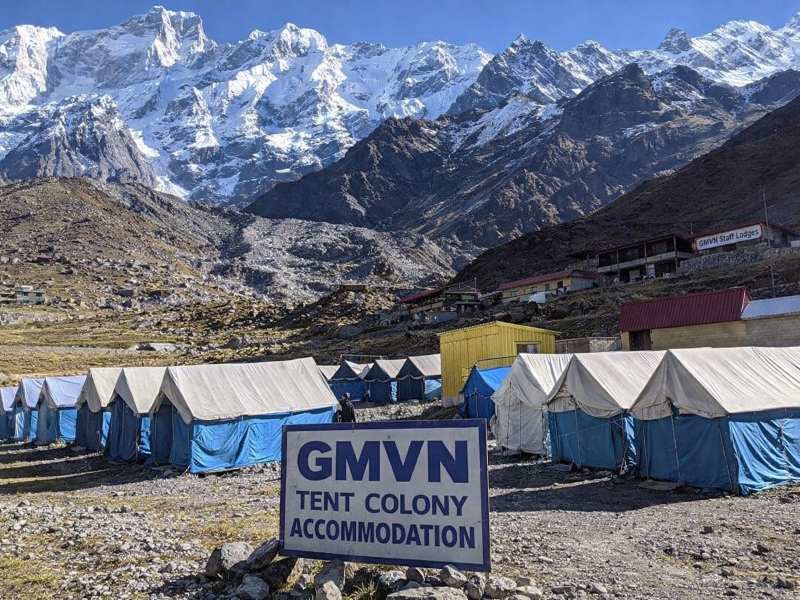
This is where it pays to book through a good agency like The Vacation Holidays. We ensure confirmed bookings of clean tents or guest houses for our clients. An overnight stay at the top very unique experience, evening Aarti and waking up during “Maha Abhishek” at 4:00 AM is worth everything. If you are not able to find accommodation at the top, then you must ideally leave for the trek by around 3 am and would need to reach the temple no later than noon. We begin climbing down by 2 pm so that we can be back in Gaurikund before nightfall.
Best Time to Start Your Trek: Why Early Birds Win
Two such walks lifted his spirit through the mountains of the Garhwal Himalayas, where the weather moves to a different beat, especially during yatra season. Mornings are usually clear, quiet and stable; afternoons can develop clouds and in some cases rain or drops in temperature. This stalwart change transforms an early departure into both a safety manoeuvre and not merely a lust. Leaving the night before, before dawn, takes advantage of the most stable weather window and allows trekkers to conserve a bit of energy in cooler hours. For everything getting away from the main hordes of more region companions, pilgrims and other visitors to Kedarnath who create enormous jams all through additional times of the day (would prescribe guide net around us at The Vacation Holidays) once shouted out you do leave Sonprayag well prior sunrise — right on by boards for early shuttle service for Gaurikund so that majority thing moves structure nature without much cluster.
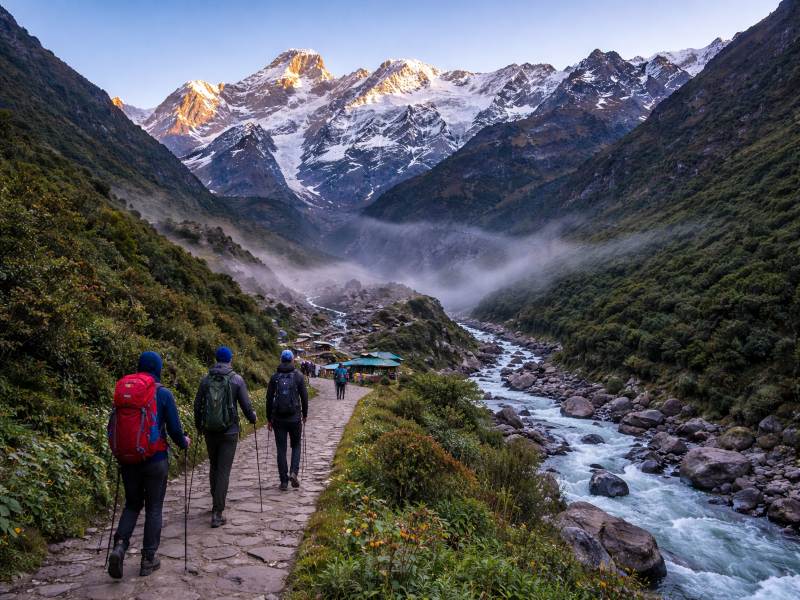
Best to start the hike by 4:30 am. The first hours on the climb — particularly certain punishing patches as far up at Rambara, and into the higher-altitude segments of the trek — are ideally done prior to direct sunlight beating down, which can help accelerate physical strain. Adapt pacing without exceeding heat stress and minimise dehydration risk with early change. The people who are walking most of the time arrive in Kedarnath in a rhythm, late morning — usually from 11:00 AM to 12:00 PM, so that is enough to have darshan and get back up in the valley before the sun beats down.
With clouds multiplying in the afternoon, it opens up the safety margins by getting in early. The later they leave, the more rain and fog they will encounter, and the less they will see. There were a few artificial lights along the trail, and hiking after dark increases the chances that tourists will slip or misjudge the route. We organise your itineraries in such a way that they start early enough so you are not entangled among the crowds, and have ample time for darshan.
A Journey of Faith with The Vacation Holidays
The Kedarnath pilgrimage involves not just a mountain climb, but a meticulously regimented manipulation of all aspects of health, two weeks of limited sleep and no protein that rewards the climber with physical endurance brought to its limits and spiritual awareness raised as high as the peak itself. A rewarding enterprise to see this 3,583 meters bustle, leading to the far coveted natural religious shrine at the end of a long voyage, you can feel in your mind, it is seared in memory. How Difficult is the Kedarnath trek Challenge? This is one of those questions which every first-time traveller asks after seeing steep gradients and high altitude. The reality is, this undertaking can be added to the plate without an inordinate amount of undue stress (outside of what you are all taking through your own processes and handling) when tackled with structure, pacing and preparation. A good guide can work wonders to remove you of the uncertainty about your Kedarnath trek preparation even before you embark on your journey, be it on the acclimatisation, hydration, gear selection or risk awareness front.
The Kedarnath trek distance and route map help pilgrims balance energy while trekking and prevent early burning out. Similarly, if you’re in the market for a new item or two, it may be worth using a checklist of equipment that will not only help tick items off your shopping list but also ensure large ticket panoramic gear helps enhance performance rather than digones. With preparation that is aligned with realistic expectations, the trek becomes less a measure of endurance and more an exhibition of perseverance, discipline, and devotion.
At The Vacation Holidays, our goal is to explore Uttarakhand’s divine geography through disciplined planning fuelled by local expertise. Be it a tailor-made Char Dham travel itinerary or custom pilgrimage packages, we cover everything wherein safety, logistics and flexibility are integral from our end. Be it roads to Kedarnath, snow slopes of Auli or a total spiritual circuit, all logistics are perfect and catered in such a way that you can only be focused and happy while enjoying your experience rather than getting stranded on operational matters.
Somewhere in between those events is a cry for adventure, and here are the massage tools you need to figure it out. Look to The Vacation Holidays, plan your travel packages for 2026 and just let us do the planning, you think only of almighty.